<img height="1" width="1" src="https://www.facebook.com/tr?id=1053333826187116&amp;ev=PageView&amp;noscript=1">
Skip to the main content.

5 min read

How to Break a Weight Loss Plateau on GLP-1 Medication

How to Break a Weight Loss Plateau on GLP-1 Medication

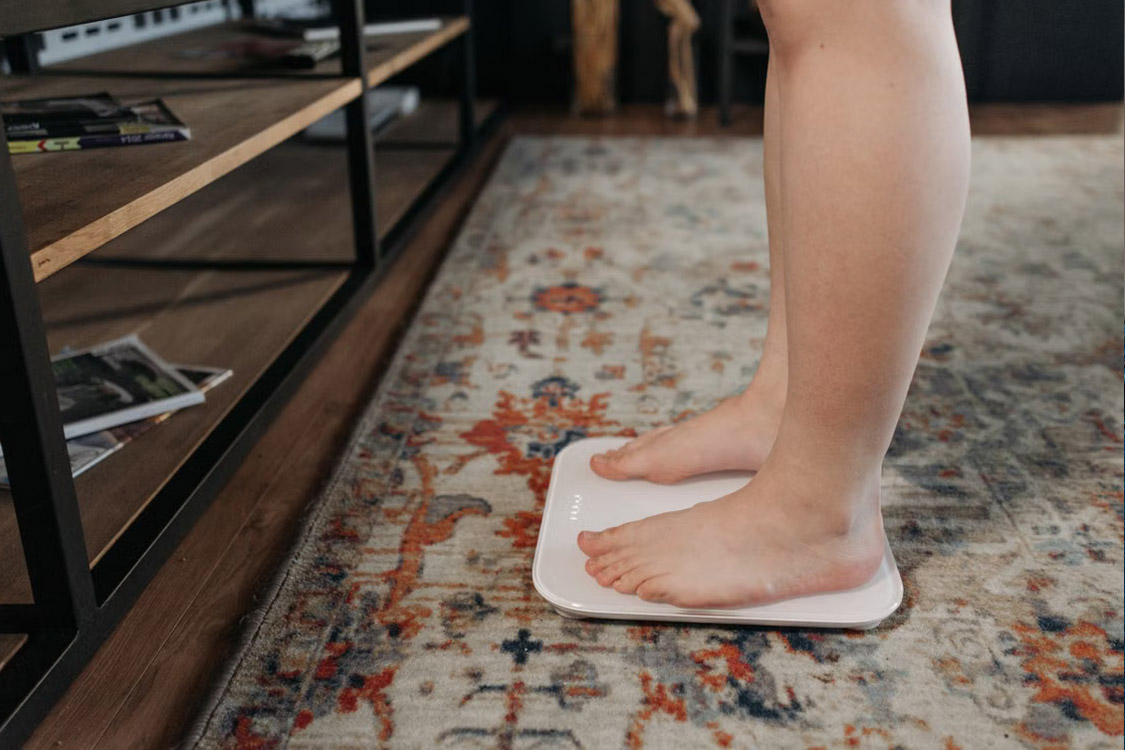
You started GLP-1 medication and the weight was coming off. Then it stopped. The scale hasn't moved in weeks, and you're wondering what went wrong, or whether something is wrong at all.

Here's what you need to know: plateaus are a normal part of weight loss, including on GLP-1 medications. They are not a sign that the medication has stopped working, and they are not permanent. But they do require some honest assessment of what's happening and, often, some adjustments to get things moving again.

Why Plateaus Happen on GLP-1 Medication

GLP-1 medications suppress appetite, slow gastric emptying, and improve insulin sensitivity. They are genuinely effective, and Garcia Centers patients have seen an average of around 15% body weight reduction while on these medications. But no medication overrides human physiology entirely.

When you lose weight, your body adapts. A smaller body burns fewer calories at rest. Hormones like leptin and ghrelin shift in ways that increase hunger and encourage your body to defend its new weight. Your metabolism adjusts to the reduced intake.

This is not the medication failing. It's your body's natural response to a caloric deficit. The goal is to respond to it thoughtfully, not panic.

Step 1: Confirm It's Actually a Plateau

A true plateau means the scale hasn't moved for four or more weeks despite consistent adherence to your program. A week or two of stalled progress can be normal fluctuation. Factors like water retention, hormonal shifts, or the timing of a menstrual cycle can all affect the number on the scale without affecting actual fat loss.

Before concluding you've plateaued, consider whether your weight loss has been consistent in recent months and whether there are other measurable signs of progress: how your clothes fit, your energy levels, changes in waist circumference, or strength improvements if you're exercising.

Step 2: Reassess What You're Actually Eating

GLP-1 medications reduce appetite dramatically, but they don't eliminate the importance of food quality. Many patients find they're eating less overall, but what they're eating has quietly drifted. More processed foods, more eating out, smaller portions of nutrient-dense food replaced by smaller portions of less helpful food. This can have a big impact on your weight loss journey.

A plateau is a good moment to take stock. Protein deserves particular attention. Adequate protein helps preserve lean muscle mass during weight loss, which keeps your metabolism functioning more efficiently. On a reduced appetite, it's easy to undereat protein while meeting caloric goals.

Calories still matter. GLP-1 medications make it easier to eat less, but "eating less" relative to a higher starting point may no longer be enough as your body adjusts to a lower weight.

Step 3: Check Your Hydration and Sleep

These two factors are often overlooked during a plateau and are frequently underaddressed.

Inadequate hydration can cause water retention that masks fat loss on the scale. In Florida's heat, this is especially easy to underestimate. Aim for at least 64 to 80 ounces of water daily, more if you're active.

Sleep deprivation is also a meaningful weight loss obstacle. Poor sleep elevates cortisol and ghrelin (the hunger hormone), both of which can counteract the appetite-suppressing effects of GLP-1 medication. Seven to nine hours of quality sleep is optimal for sustained weight loss.

Step 4: Consider Your Activity Level

GLP-1 medications are approved and effective without a required exercise program, but movement genuinely supports your results, particularly during a plateau.

Resistance training is the most underused tool in weight loss on GLP-1 medications. Building and preserving muscle increases your resting metabolic rate, meaning you burn more calories even at rest. It also helps counteract the muscle loss that can accompany rapid weight reduction.

If you've been primarily doing cardio, adding two or three days of strength-based exercise per week may be enough to restart progress. If you haven't been exercising at all, even consistent walking makes a measurable difference.

Step 5: Talk to Your Provider About Your Dose

GLP-1 medications are typically started at a low dose and titrated upward over several weeks or months to minimize side effects. If you're at a plateau and your current dose is toward the lower end of the therapeutic range, your provider may recommend moving to the next dose level.

This is one of the clearest advantages of a supervised program. At Garcia Centers, your GLP program includes regular provider check-ins, metabolic lab panels, and the ability to adjust your plan based on how you're actually progressing, not a one-size approach.

Step 6: Address Hormonal Factors

This is a point that many GLP-1 providers miss, and it matters. Hormonal imbalances can significantly impair weight loss even when medication is doing its job. Low testosterone, estrogen dominance, elevated cortisol, or thyroid dysfunction can all act as barriers to fat loss that no GLP-1 medication will overcome on its own.

If your weight loss has stalled and your adherence is solid, it's worth asking whether a full hormonal and metabolic lab panel has been run recently. At Garcia Centers, hormonal health and weight management are treated as connected, not as separate concerns.

Step 7: Consider Supplementation

When weight loss stalls, targeted supplements can provide meaningful support as a complement to what the medication and your lifestyle habits are already doing. A thermogenic fat-burning supplement can help support your metabolism, soluble fiber improves fullness and helps stabilize blood sugar between meals, and Omega-3 fatty acids support insulin sensitivity and body composition over time.

Lipotropic injections are worth discussing with your provider as well. These nutrient blends, typically containing B vitamins, methionine, inositol, and choline, support the liver's ability to process and mobilize fat. At Garcia Centers, lipotropic injections are included in the GLP Premier program as a weekly addition to your medication, and many patients find they provide a noticeable energy boost during a stretch when motivation can dip alongside the scale.

What Probably Won't Help

A few things that get tried during plateaus and generally don't move the needle:

Drastically cutting calories further usually backfires. An already low intake can trigger a stronger metabolic adaptation, leaving you eating very little while burning proportionally less.

Skipping the medication because you've "been on it long enough" will result in weight regain for most people. GLP-1 medications work while you're taking them. Stopping abruptly without a plan is not a strategy.

Comparing your results to someone else's isn't useful either. Weight loss rates are deeply individual and depend on starting weight, age, hormonal status, muscle mass, lifestyle, and genetics.

Frequently Asked Questions

Is it normal for weight loss to slow down on a GLP-1?

Yes, completely normal. Most people experience their fastest weight loss in the first few months of GLP-1 therapy. As your body adapts to a lower weight and caloric intake, the rate of loss typically slows. This is physiology, not failure.

How long does a plateau on GLP-1 medication typically last?

Without any adjustments, a plateau can last weeks to months. With changes to nutrition, activity, sleep, hydration, and potentially dose adjustments, most patients are able to restart progress within a few weeks.

Can stress cause a weight loss plateau?

Yes. Chronic stress elevates cortisol, which promotes fat retention, particularly around the midsection, and can interfere with the appetite-regulating effects of GLP-1 medication. Stress management is a legitimate weight loss strategy, not just wellness advice.

Should I increase my GLP-1 dose if I hit a plateau?

Possibly. This is a conversation to have with your provider after ruling out other contributing factors. Dose adjustments should always happen under medical supervision.

Plateaus are frustrating, but they're rarely the end of the story. If you're not sure what's driving yours, or you want to take a more comprehensive approach to your weight loss journey, we're here to help. Visit us at your local Weight Loss Clinic in Tampa FL and let's take a closer look at what's going on and what to do about it.